
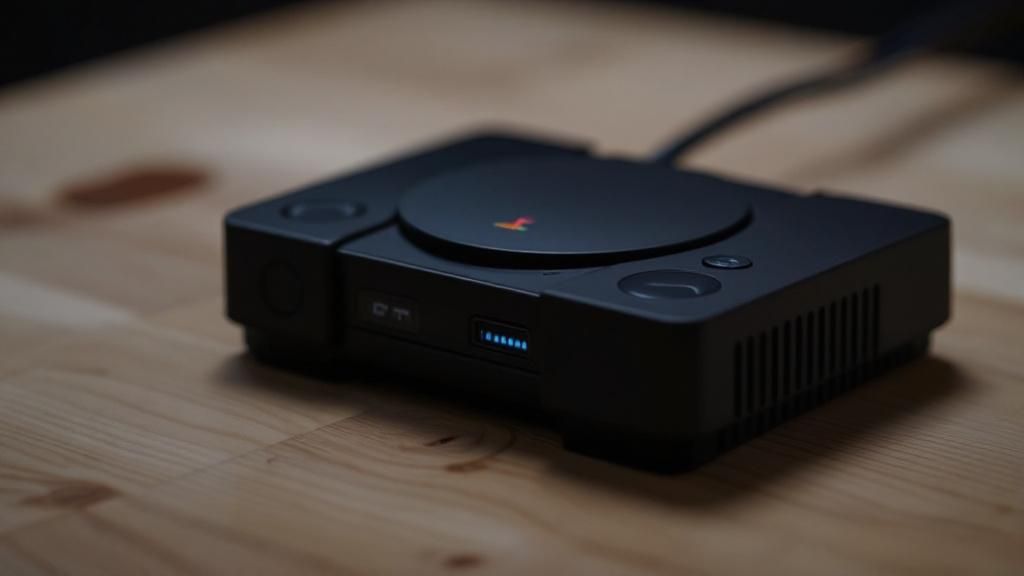
Sony has declared a significant expansion to its backwards compatibility initiative, introducing a updated collection of cherished retro PlayStation titles to modern systems. This strategic move permits gamers to rediscover cherished classics from previous eras without demanding older systems. The broadened initiative promises improved speed and upgraded visuals on contemporary consoles, connecting between retro gaming and cutting-edge technology. Explore which classic franchises are entering the lineup and how this development is transforming the future of PlayStation gaming.
Developing the Traditional Game Collection
Sony’s backwards compatibility programme represents a transformative approach to preserving gaming heritage whilst incorporating modern technology. By expanding the collection of classic PlayStation titles playable on contemporary consoles, the company demonstrates its pledge to honouring its rich gaming legacy. This undertaking ensures that generations of outstanding gameplay moments continue to be playable to both longtime enthusiasts and new players discovering these timeless classics for the first time. The broadened catalogue encompasses a diverse range of categories and periods, reflecting the breadth of PlayStation’s pivotal role in interactive entertainment.
The programme’s development resolves a critical gap in current gaming by converting hard-to-access titles widely accessible on current-generation hardware. Players no longer need to maintain legacy hardware or track down pricey pre-owned copies to experience these cherished games. This wider availability of retro gaming content bolsters the PlayStation platform and promotes player involvement across generational divides. The scheme also demonstrates Sony’s attentiveness to gamer requests for comprehensive backwards compatibility options that acknowledge the financial commitment gamers have made in their digital libraries over the years.
Advanced Emulation Systems
The core infrastructure of this backwards compatibility programme relies on advanced emulation technology that accurately replicates the classic gaming experience whilst optimising performance for contemporary systems. Sophisticated emulation systems analyse classic game code and convert it efficiently for contemporary processors, ensuring interoperability without sacrificing authenticity. These technical enhancements go further than mere functionality; they enable improved frame rates, better resolution scaling, and faster loading times that substantially improve the gaming experience. The engineering teams have invested considerable effort in achieving this balance between preservation and enhancement.
Modern emulation technology integrates machine learning algorithms and anticipatory analysis methods that anticipate gameplay requirements and assign resources efficiently. This advanced system minimises lag, eliminates stuttering, and offers smoother performance than original hardware could deliver. Additionally, the emulation framework contains adaptive quality settings that allow players to tailor their experience based on personal preferences and available system resources. These technological innovations represent considerable dedicated development, ensuring that classic games perform perfectly on PlayStation 5 and other contemporary platforms.
Player Accessibility and Convenience
Backwards compatibility substantially boosts gamer accessibility by consolidating gaming libraries across generations within a single ecosystem. Gamers can move effortlessly between modern releases and classic titles without juggling various consoles or purchasing duplicate copies of games they already own. The single dashboard simplifies navigation and finding new content, enabling gamers to browse their full library without difficulty. This efficient system respects players’ time and financial investments, removing annoying obstacles that formerly prevented enjoying cherished titles and encouraging exploration of classic gaming.
The extended programme also addresses practical accessibility concerns by delivering modern quality-of-life features paired with classic gameplay. Players gain access to enhanced controller compatibility, customisable difficulty settings, and enhanced graphics settings that accommodate modern gaming requirements. Cloud save functionality facilitates smooth progression across multiple devices, whilst achievements and trophy systems promote engagement with classic titles. These conveniences convert backwards compatibility from a nostalgic novelty into a truly useful feature that improves the overall PlayStation experience for millions of players worldwide.
Perks for Gamers plus the Industry
Improved Gaming Environment for Gaming Enthusiasts
The enhanced backwards compatibility programme delivers significant improvements to the gaming community. Players can now access classic games with better performance, higher resolution, and quicker load speeds on modern PlayStation consoles. This accessibility negates the need for keeping older systems, whilst preserving gaming history for future generations. Gamers gain from effortless integration with contemporary features, including trophy support and cross-platform functionality, enhancing their entertainment value substantially.
Economic and Competitive Advantages
From an market perspective, this initiative reinforces Sony’s competitive standing within the gaming industry. By broadening the retro gaming library, PlayStation attracts both veteran gamers seeking classic gaming moments and fresh audiences exploring established games. This approach maximises the worth of current franchises, creating renewed interest in existing brands without substantial development costs. Additionally, the programme fosters console loyalty and extends the commercial lifecycle of older games, creating continuous earnings through digital retail networks.
Preserving The Gaming Legacy
The backwards compatibility expansion plays a vital cultural function by maintaining important gaming heritage. Classic PlayStation titles embody significant milestones in interactive entertainment history, and securing their availability stops valuable works from falling out of reach. This commitment to preservation reflects the gaming industry’s evolution, accepting that older games merit acknowledgement and continued accessibility. By maintaining these digital artefacts, Sony makes a significant contribution to gaming’s cultural legacy whilst showing corporate responsibility towards preserving entertainment history.
